A haircut frames your face, yes. But it also shapes how your hair moves, how much effort styling takes, and how confident you feel walking out the door. Choose the wrong one and you will notice it every single morning. Choose the right one and everything just falls into place.
Before booking that hair appointment, let us walk you through the difference between a layered cut and a blunt cut, so you can sit in that salon chair feeling sure of your choice.
Choosing Between the Two Matters
If you are reading this guide, you already know this decision is not a small one.
Most people do not regret a haircut because it looks bad. They regret it because it does not fit their hair type, lifestyle, or face shape.
Layered and blunt cuts work in very different ways. They respond differently to humidity. They grow out differently. They demand different levels of styling. Even the way they frame your face is different.
Once you understand how each works, the right choice usually becomes obvious.
How a Layered Cut Changes Your Hair
A layered haircut removes weight at specific points. Shorter sections sit on top of longer ones, creating movement and shape.
In Singapore’s humid climate, layers are practical. Heavy hair tends to trap heat and moisture, and layering helps it feel lighter and less weighed down, especially if your hair is thick or dense.
Layered cuts work well when:
- Your hair feels bulky or flat
- You want natural movement and texture
- You enjoy styling versatility
- You want volume without teasing or heavy products
Layers also help curls and waves form more naturally. By reducing weight, the hair springs up instead of dragging itself flat.
Different layering techniques also affect how a haircut looks over time. Long layers maintain length while adding flow, while face-framing layers draw attention to your features. When done well, layers grow out softly, making them easier to maintain between appointments.
That said, layers need precision. Poorly placed layers can thin hair too much or create frizz. This is why technique matters.

Why a Blunt Cut Feels Fuller and More Polished
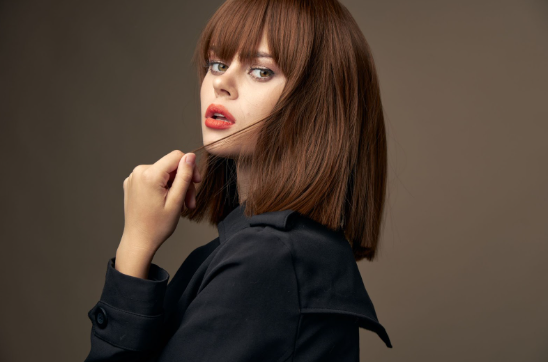
A blunt cut keeps all the ends at the same length. There is no tapering or feathering, just a clean, even line that gives the hair a sharp and polished finish.
This creates the illusion of density. Fine to medium hair often looks fuller with a blunt cut because every strand ends at the same point, making the overall shape appear thicker and more solid.
A blunt cut may suit you if:
- Your hair texture is fine to medium
- You prefer a clean and minimal look
- You want low-maintenance daily styling
- You usually wear your hair straight or softly waved
Blunt bobs and lobs are especially popular because they hold their shape well and grow out neatly. The even edge also reflects light more evenly, which can make hair look healthier and smoother.
The trade-off is movement. Without layers to remove weight, blunt cuts can feel heavier, especially on thick hair.
In Singapore’s humidity, this extra weight can be helpful for controlling flyaways. But, it may feel too dense for those who want more texture and flow.
Your Hair Type Should Lead the Decision
Face shape is important when selecting a haircut, but hair type matters even more.
IF YOUR HAIR IS THICK
Layers help control bulk and reduce the triangle effect at the ends. By removing weight in the right places, hair feels lighter and moves better. A blunt cut can still work, but it needs careful internal shaping to avoid looking heavy.
IF YOUR HAIR IS FINE
Blunt cuts usually give better results because they create the illusion of density. Too many layers can make fine hair look wispy or sparse, especially as it grows out.
IF YOUR HAIR IS CURLY OR WAVY
Layers support natural texture and help curls form more evenly. They also prevent the pyramid shape that can happen when weight builds at the ends. Blunt cuts can work on curls, but they need to be shaped carefully to avoid a boxy or heavy finish.
IF YOUR HAIR IS STRAIGHT
Both styles work well. A blunt cut creates a sleek, structured look, while layers add softness and movement. The right choice comes down to how polished or relaxed you want your finish to feel.
If you would like a professional opinion on whether layers or a blunt cut suit you, our Head Editors in Bugis are happy to help.
Face Shape Helps But it Should Not Lead
Face shape should guide refinement, not dictate the entire cut. The goal is balance. Your haircut should complement not only your features, but your hair type and lifestyle too.
Layers can soften strong jawlines and balance fuller cheeks. They draw attention upward and create flow around the face.
Blunt cuts highlight bone structure. They work beautifully with oval and heart-shaped faces, especially when paired with a sharp bob or collarbone-length cut.
A skilled stylist will adjust length, parting, and weight distribution to suit you, not force your hair into a formula.
Read more — How to Choose the Right Hairstyle for Your Face Shape
Styling Time and Lifestyle Honesty
Be honest with yourself here, because this part is important.
Layered cuts usually need
- Blow-drying or diffusing
- Light styling products
- Occasional reshaping between trims
Blunt cuts usually need
- Minimal styling
- Regular trims to keep lines sharp
- Less daily effort
If you enjoy styling your hair, layers give you options. If you want wash-and-go simplicity, blunt often wins.
Humidity in Singapore Affects the Cut
Humidity causes hair to absorb moisture from the air, which makes it swell and lose definition. This is why hair can look smooth indoors but frizzy once you step outside.
Layers add movement and lightness, but they also expose more ends. In humid weather, those ends absorb moisture more easily, which can increase frizz if the cut is not well balanced or supported with the right products.
Blunt cuts carry more weight and keep the ends even, which helps reduce flyaways. However, that same weight can make hair feel heavier, flatter, or warmer in humid conditions, especially if your hair is thick.
This is why haircut design matters in Singapore’s climate. Layers need careful shaping to control moisture and movement, while blunt cuts need thoughtful length and weight placement to avoid feeling dense or uncomfortable.
The Growing-Out Phase People Forget About
A haircut should not only look good in the first week. It should still work for you as it grows.
Layered cuts tend to grow out softly. The shape changes gradually, which means the haircut still looks intentional even as it gets longer. This works well if you prefer longer gaps between trims.
Blunt cuts grow out more visibly. The clean line drops lower as hair grows, and when the shape goes off, it is noticeable. This suits those who like a sharp look and do not mind regular trims.
In the end, your ideal cut depends on how often you want to maintain it and how much change you are comfortable seeing between appointments.
So Which Cut Suits You Best, Layered or Blunt?
Ask yourself these questions:
- Do you want movement or structure?
- Is your hair thick or fine?
- Do you have time for regular hair styling
- Do you prefer soft or sharp finishes?
If you want lightness, texture, and flexibility, layers are likely the right choice. If you prefer fullness, polish, and ease, a blunt cut may suit you better.
Our Head Editors Can Help with Your Haircut
Need a professional’s opinion between a layered cut or blunt cut?
At Head Editor in Bugis, our stylists take the time to understand your hair texture, face shape, and lifestyle before recommending a haircut. Book an appointment and get a hairstyle that suits your features and personal style.