Hair colour does not fade overnight. It fades a little each time you wash, style, or step into the sun. Many people think fading means the colour was done poorly. In most cases, it comes down to aftercare.
Knowing how to maintain hair colour helps you keep the shade you paid for. It also keeps hair feeling balanced and easier to manage. Without the right routine, colour can lose tone, turn dull, or fade unevenly.
Need a new haircut in Singapore? Head Editor offers personalised haircuts right here in Bugis. Book your appointment or call us for any enquiries!
Understand Your Hair Colour Type
Hair colour fades based on how the dye interacts with your hair. Knowing your colour type helps you care for it properly instead of guessing.
- Permanent vs. semi-permanent colour
Permanent colour penetrates deeper into the hair, so it lasts longer. It still fades, especially with frequent washing or heat styling. Semi-permanent colour coats the outer layers of the hair. Because it sits closer to the surface, it fades faster and needs more frequent upkeep. - Lightened or bleached hair vs. dark shades
Lightened or bleached hair has a more open cuticle. This makes it easier for colour to escape and moisture to leave the hair. As a result, tones can shift and dryness can appear sooner. Dark shades contain more pigment and tend to fade more evenly, but they can still lose depth and shine over time. - Fashion and cool-toned colours
Ash, grey, pastel, and vivid shades are more delicate. These colours rely on fine pigment balance, which means they are affected quickly by water, heat, and sunlight. Without toning support, they can fade or change tone faster than natural shades.
Understanding how your colour behaves is the first real step in learning how to maintain hair colour. Once you know what you are working with, your routine becomes simpler and more effective.
The First 48 Hours After Colouring
The first two days after colouring play a key role in hair colour maintenance. During this time, the colour is still settling inside the hair, and the cuticle needs time to close.
Why This Period Matters
During this period, fresh colour sits in a vulnerable state. Water, heat, and friction can disturb the pigment before it fully locks in. What you do during these 48 hours affects how long your colour lasts.
Why This Period Matters
Wait at least 48 hours before washing. Washing too soon can cause colour to fade faster and lose tone early.
What to avoid during this time:
- Heat styling tools
- Swimming pools or the sea
- Heavy sweating from intense workouts
- Tight hairstyles that create friction
These actions can open the cuticle and allow colour to escape.
How Salons Seal Colour and How to Protect It At Home
In the salon, colour is sealed using pH-balancing treatments that help close the cuticle. At home, your role is to protect that seal. Keep hair dry, wear it loose, and avoid unnecessary handling.
Wash Smart: Shampoo & Conditioner Tips
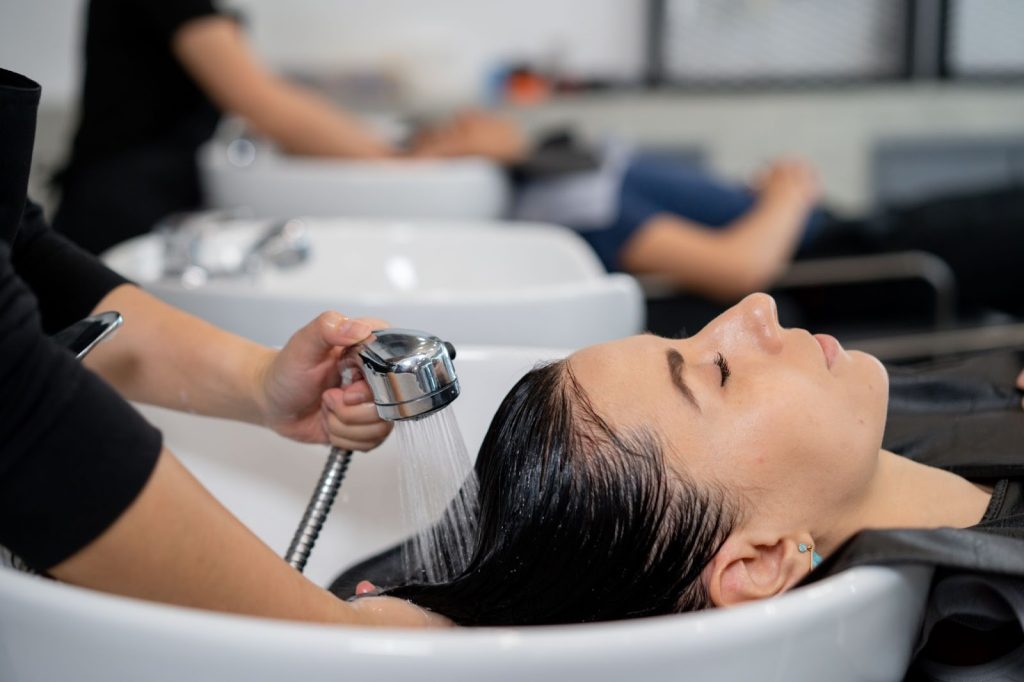
Once the first 48 hours pass, washing becomes part of your regular routine. This is where many people unknowingly lose colour.
How Often to Wash Coloured Hair
Every wash discolours a small amount of pigment. In many cases, washing two or three days apart works well. Daily washing speeds up fading, even when the scalp feels clean. On days you skip washing, dry shampoo can help absorb oil without disturbing colour.
Why The Shampoo You Use Matters
When you wash less, the cleanser itself becomes more important. Many standard shampoos contain sulphates, which clean aggressively. They remove oil and colour at the same time. Sulphate-free shampoo cleans the scalp while helping colour stay in the hair.
Choosing The Right Shampoo for Your Shade
After switching to a gentler base shampoo, tone support comes next. Certain shades fade unevenly, which is where targeted shampoos help.
- Purple shampoo supports blonde and grey tones
- Blue shampoo helps brunette shades stay balanced
- Colour-depositing shampoo refreshes fading pigment
Use these once or twice a week. Using them too often can cause tone build-up or dullness.
How You Wash Matters As Much As What You Use
Did you know water temperature can affect your hair? Hot water opens the cuticle and allows colour to escape, so lukewarm water is the safer choice. Massage the scalp lightly with your fingertips and let the lather rinse through the ends instead of scrubbing them.
Finish with Conditioner, Used Correctly
The conditioner helps smooth the cuticle after washing. Apply it from mid-lengths to ends, where colour fades fastest. Avoid the scalp, as buildup can affect how colour reflects and how long your hair stays fresh.
When washing is done with care, colour lasts longer and hair stays easier to manage. This routine sets the base for everything that follows.
Weekly & Monthly Hair Care Routine
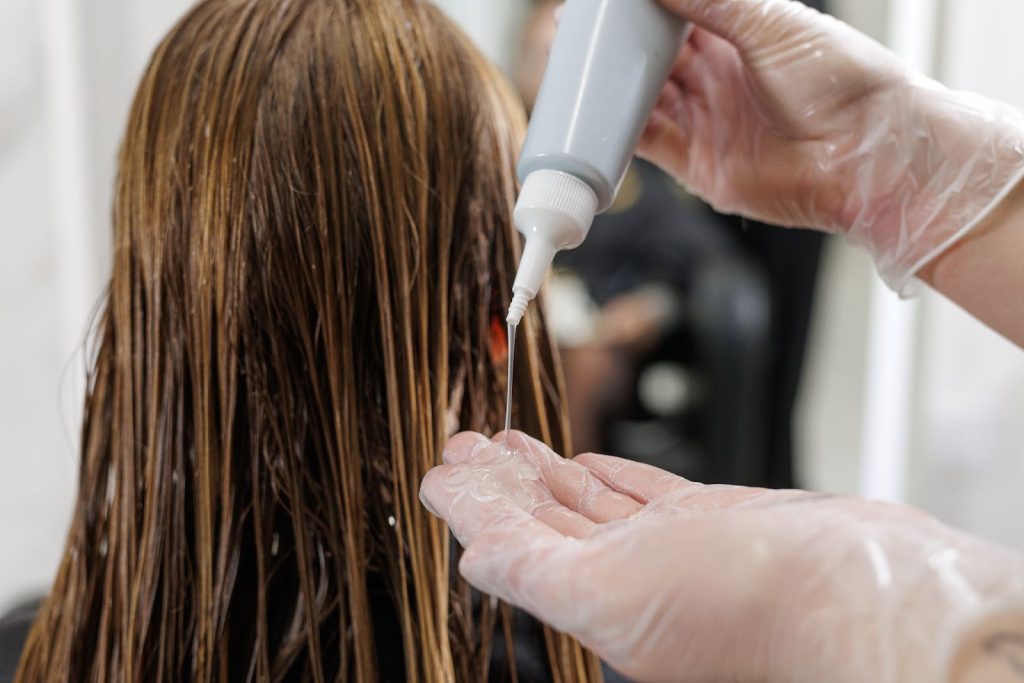
Once your washing routine is in place, the next step in learning how to maintain hair colour is supporting the hair between washes. This is where weekly and monthly care make a visible difference.
Why Coloured Hair Needs Extra Support
Colouring changes the structure of the hair. Even when hair feels fine, it often loses moisture or strength beneath the surface. Regular care helps prevent dryness, breakage, and uneven fading.
Weekly Deep Conditioning Masks
After several washes, hair begins to lose what keeps colour stable. A deep conditioning mask used once a week helps replenish moisture and smooth the cuticle. Focus on mid-lengths and ends, where colour fades first.
Protein vs. Moisture: Finding Balance
As hair absorbs moisture, it also needs structure. Bleached or lightened hair often benefits from protein treatments to support strength. Hair that feels rough or stiff may need more moisture instead. Alternating between the two helps keep hair balanced.
Leave-in Treatments and Oils
After washing, leave-in products help reduce friction and dryness. Lightweight leave-ins protect colour without weighing hair down. Heavy oils, when used often, can pull colour out and make hair look flat, so use them sparingly.
At-home Toning vs. Salon Toning
Weekly care maintains colour, but it does not replace professional toning. At-home toners help manage mild fading between visits. When tone shifts become uneven or brassy, a salon toner resets the colour safely.
Heat Styling Without Ruining Your Colour
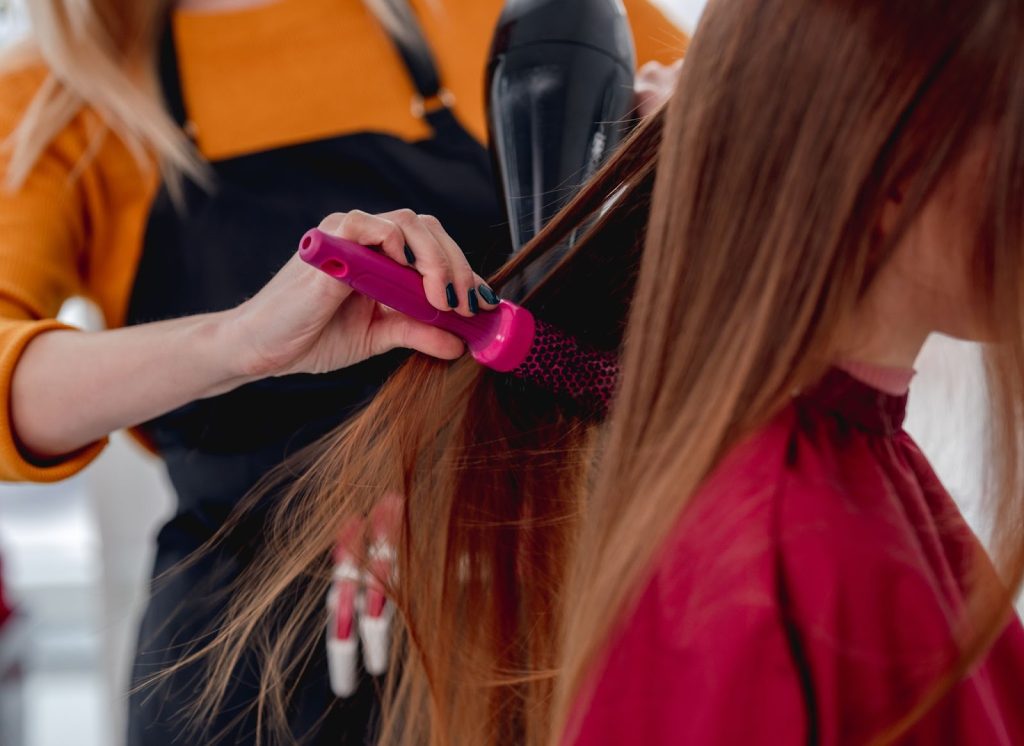
After washing and treatments, styling is often where colour loss speeds up. As you dry your hair with heat, it also affects the pigment inside it. Managing heat is an important part of hair colour maintenance.
How Heat Affects Colour
High temperatures open the hair cuticle and weaken colour molecules. Over time, this leads to fading, tone shifts, and dryness. The more often heat is used, the faster this process happens.
Safe Temperature Ranges
Most hair does not need extreme heat to hold a style. Keeping tools below 180°C helps reduce colour loss while still allowing effective styling. Lower settings may take a little longer, but they protect the colour.
Using Heat Protectants Properly
A heat protectant acts as a barrier between your hair and the tool. Apply it to dry or damp hair before styling, depending on the product. Spread it evenly, not just on the ends, to ensure full coverage.
Styling Habits That Fade Colour Faster
Certain habits cause unnecessary damage:
- Styling the same section repeatedly
- Using heat on damp hair
- Straightening or curling hair every day
Reducing frequency and being mindful of technique helps preserve both colour and hair condition. When heat is used with care, styling no longer works against your colour routine.

Sun, Water & Environment Protection
Even when you wash and style carefully, colour can still fade through daily exposure. Sunlight, water, and the environment all affect hair colour maintenance over time.
How The Sun Affects Coloured Hair
UV rays break down colour pigment and dry out the hair. This is why colour often looks lighter or duller after time outdoors. Using hair products with UV filters or covering your hair helps slow this process.
Swimming and Water Exposure
Chlorine and seawater strip colour and moisture. Before swimming, rinse your hair with fresh water and apply a small amount of conditioner. This reduces how much treated water the hair absorbs. Rinse again after swimming to remove residue.
Travel and Outdoor Care
Wind, heat, and pollution dry the hair and increase friction. When spending long hours outside, loose styles help reduce stress on the hair. Tying hair too tightly can cause breakage and uneven fading.
Simple Habits That Protect Colour
Here are some ways to protect hair colour:
- Wear a hat in direct sun
- Rinse hair at the end of the day
- Use protective sprays when outdoors
These habits support your routine without adding extra steps. Protecting hair from the environment helps keep colour looking balanced between washes.
When to Return to the Salon
Even with careful home care, professional attention is essential for long-lasting colour. Knowing when and why to visit the salon is part of hair colour maintenance.
How Often to Refresh Colour
For most people, applying toner every 4–6 weeks keeps shade true. Full colour touch-ups depend on regrowth and fading. Skipping these appointments can lead to uneven colour and dullness.
Signs you need professional care:
- Brassy or uneven tones
- Patchy fading
- Hair feeling dry or brittle
These indicate that home care alone is not enough and a stylist can safely restore colour.
Why DIY Fixes Can Backfire
Box dyes or repeated at-home toning can create build-up or damage. They often worsen the problem instead of fixing it.
What to ask your stylist:
- Recommended products for your colour
- Optimal toning schedule
- Safe heat and washing practices
Regular salon visits combined with consistent home care create the longest-lasting colour and reduce emergency fixes.
Conclusion
Maintaining hair colour is not about more products or complicated routines. It is about simple, consistent steps that protect your colour every day. Washing carefully, using the right products, protecting hair from heat and sun, and scheduling salon visits all work together to keep colour looking fresh.
Pay attention to how your hair responds. Adjust your routine when needed, but keep the core steps steady. Small, regular actions make a bigger difference than occasional fixes.
Need a new haircut in Singapore? Head Editor offers personalised haircuts right here in Bugis. Book your appointment or call us for any enquiries!